





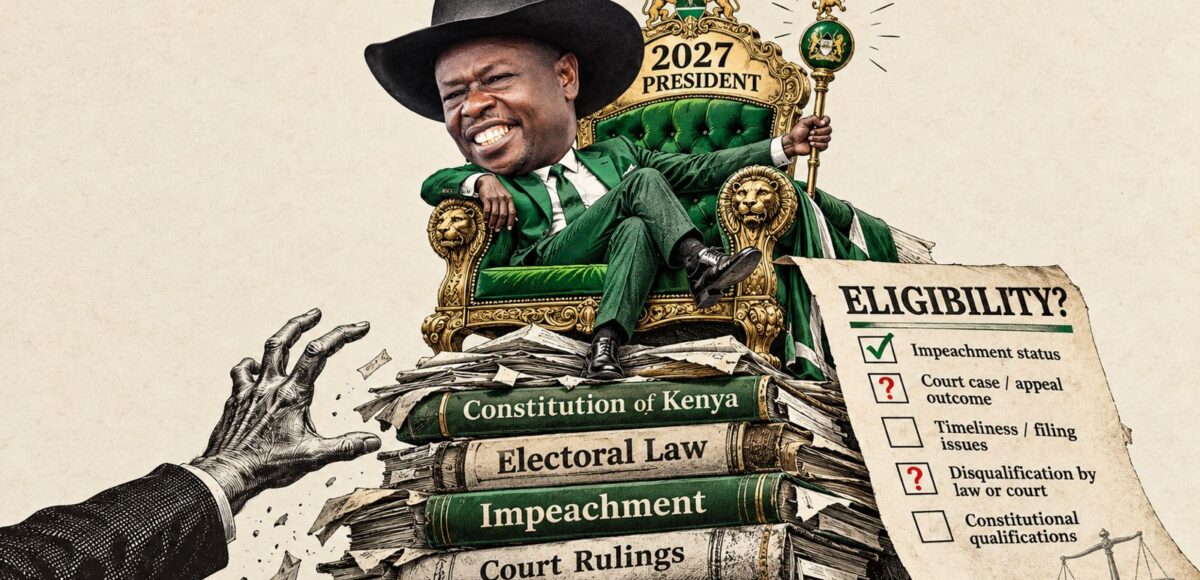
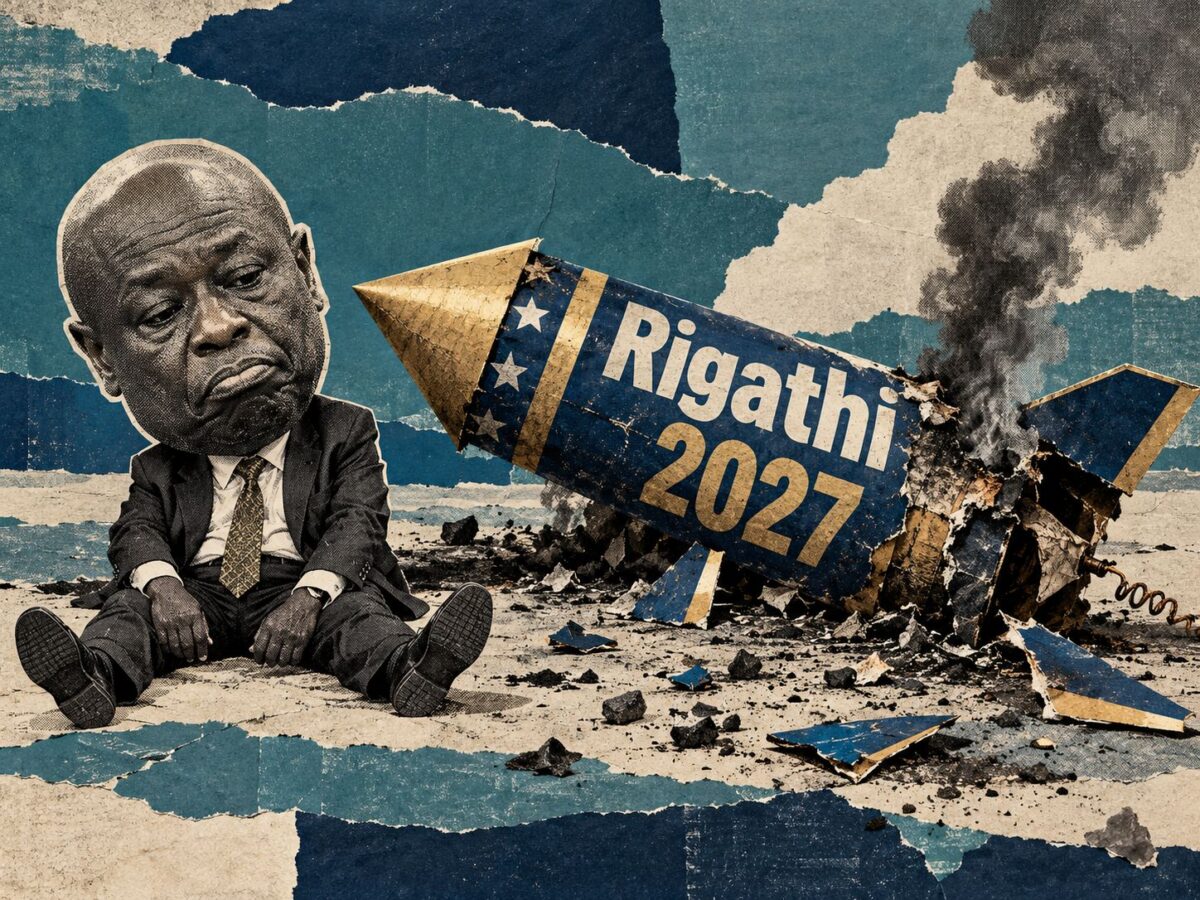
Rigathi Gachagua is whether his impeachment could prevent him from running for president. The answer is not yet settled. While the Constitution sets out circumstances in which a person can be barred from holding public office, the effect of an ongoing legal challenge on Gachagua’s eligibility remains a matter for the courts to determine.
What happened to Gachagua?
Gachagua was removed from office in October 2024 following an impeachment process involving the National Assembly and the Senate. Kithure Kindiki subsequently took over as Deputy President.
In June 2026, the High Court upheld Gachagua’s removal, ruling that the impeachment could stand despite finding that his right to a fair hearing had been violated during the Senate proceedings. The court awarded him KSh50 million in compensation but did not overturn the impeachment. Gachagua has since appealed the ruling at the Court of Appeal, challenging the decision to uphold his removal.
What does the Constitution say?
Article 75(3) of the Constitution states that a person removed from office for certain violations involving the conduct of State officers is disqualified from holding another State office. However, Article 99(3) says that certain disqualifications cannot take effect until all possibilities of appeal or review have been exhausted. In simple terms, this provision raises the question of whether a person should be barred from seeking elective office before the legal process challenging the basis of that disqualification has run its course.
Gachagua’s appeal is therefore important. If the decision goes against him, he may be able to appeal further, provided the legal requirements are met. The courts may then have to determine how these constitutional provisions apply to his particular circumstances.
Does this mean he can run?
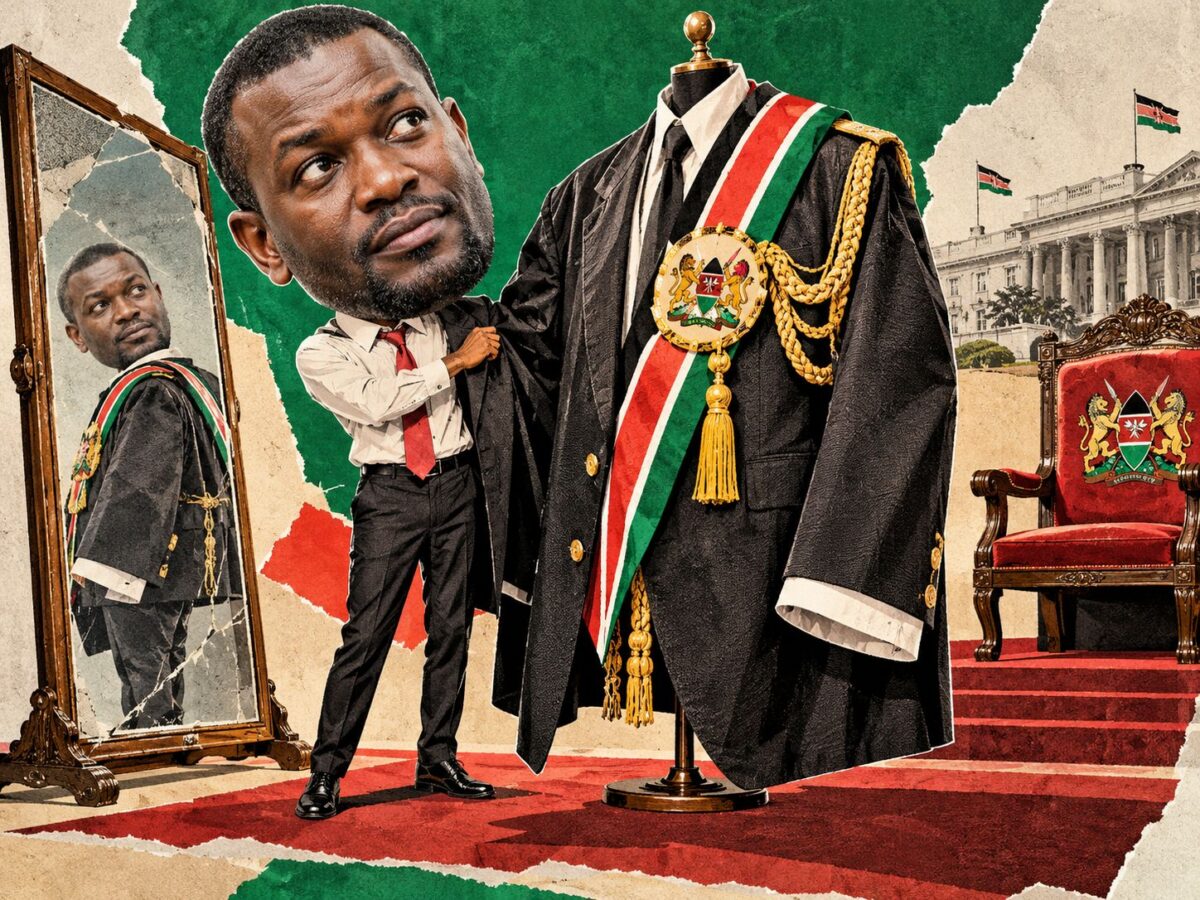
Not necessarily. Article 99(3) does not automatically guarantee Gachagua the right to contest the presidency. The key issue is whether its protection applies to his case alongside Article 75(3), and how the courts interpret the relationship between the two provisions. Attorney-General Dorcas Oduor has argued that the legal consequences of impeachment have already been addressed by the courts, including in the Supreme Court’s 2022 case involving former Nairobi Governor Mike Sonko. In that case, the court recognised that impeachment can carry serious consequences, including disqualification from elective office. However, whether an ongoing appeal delays such disqualification remains unresolved. Ultimately, the interpretation of the Constitution and the outcome of the relevant legal proceedings will determine the position.
What happens next?
Gachagua’s appeal will be an important step in clarifying the consequences of his impeachment. The outcome could help establish whether his removal from office prevents him from contesting the presidency in 2027, or whether further legal proceedings must first be concluded.
For now, his eligibility remains unresolved. He has challenged the High Court ruling, and the courts will have to clarify whether his impeachment bars him from running for president in 2027.
[/vc_column_text][/vc_column][/vc_row]


No comments
Sorry, the comment form is closed at this time.