





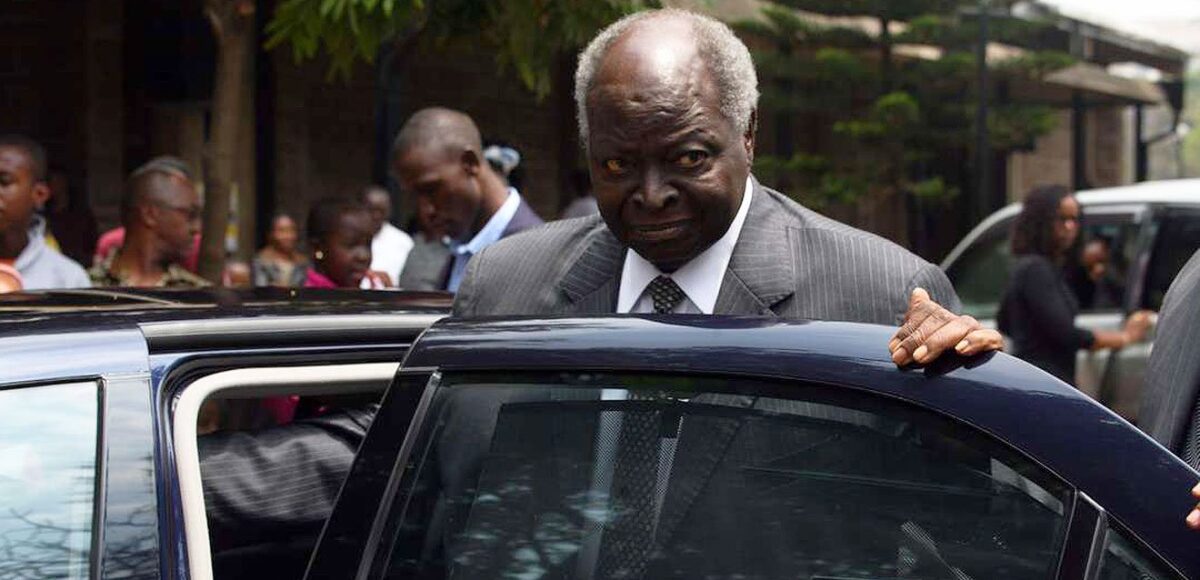
What Ruto Can Learn From Kibaki’s First Term
Let me tell you something about power. Power does not corrupt men. It reveals them. And what Mwai Kibaki revealed, in those final desperate hours of December 2007, was not a criminal — it was something far more interesting. It was a believer. A man who had convinced himself, with the full theological certainty of the converted, that he deserved to win. That deserving to win and actually winning were the same thing. They are not, and the distance between those two propositions is where Kenya’s most consequential post-independence crisis was born.
Kibaki came to power in 2002 as a vessel, not a visionary. Kenya did not elect Kibaki — Kenya rejected Moi. There is a difference, and it is not a small one. The NARC coalition was not a political programme; it was a coalition of grievances, frustrations accumulated over twenty-four years of Nyayo-era suffocation, and Kibaki was the acceptable face on a collective scream. The mistake he made — and it was a foundational one — was to receive that mandate as a personal validation rather than a conditional loan. He never understood what had actually been given to him. That was his original sin.
Here is what happened next. The economy grew. Roads were built. Free primary education transformed millions of lives. The Nairobi Stock Exchange became fashionable. Hotels filled. A new middle class began to breathe. And Kibaki, surrounded by his kitchen cabinet and insulated by the warm fog of macroeconomic statistics, made the most dangerous mistake available to an incumbent: he believed his own press release. I call this the Incumbent Delusion. It is a specific pathology that afflicts leaders who confuse the performance of governance with the politics of governance. It tells you that if the GDP is growing, the people are grateful. It tells you that votes follow results. It tells you, in its final seductive whisper, that Kenyans will vote with their stomachs. They will not. They never have. And in 2007, Kibaki learned this too late and at catastrophic cost.
The evidence had been available since 2005. The constitutional referendum was not merely a policy debate about devolution — it was a political verdict, and it was unambiguous. The ‘No’ campaign crushed the government’s ‘Yes’ decisively. A politically intelligent leader would have read this as an early warning: your coalition is broken, your mandate is contested, you need to rebuild. Kibaki’s response was to fire the dissenting cabinet ministers and retreat further into the laager. He treated a political crisis as an administrative inconvenience, punished the symptom, and ignored the disease. The 2005 referendum was the moment the 2007 crisis became inevitable.
Meanwhile, the rot inside the Kibaki project was deepening. But because the economy kept growing, the moral collapse remained hidden beneath the macroeconomic headline. The international community looked at the growth figures and concluded Kenya was a success story. Kibaki looked at the same figures and concluded he was a success story. That confusion — between the country’s performance and his own political legitimacy — became total. The numbers had become a mirror, and the man in the mirror always looked like a winner.
By late 2007, Kibaki’s own internal polling was telling him something uncomfortable: the opposition wave was real, and Raila Odinga was ahead. The arithmetic was honest and it was brutal. And so, in those final hours at the KICC tallying centre, a choice was made — not by a dictator who had always ruled by force, but by a technocrat who had always believed in process, until the process produced the wrong answer. Samuel Kivuitu, the Electoral Commission chairman, would later confess publicly that he did not know who had won the election. He announced a result anyway. History will record that sentence as one of the most damning in the post-independence era, because it tells you everything about what the Incumbent Delusion, at full maturity, is capable of authorising.
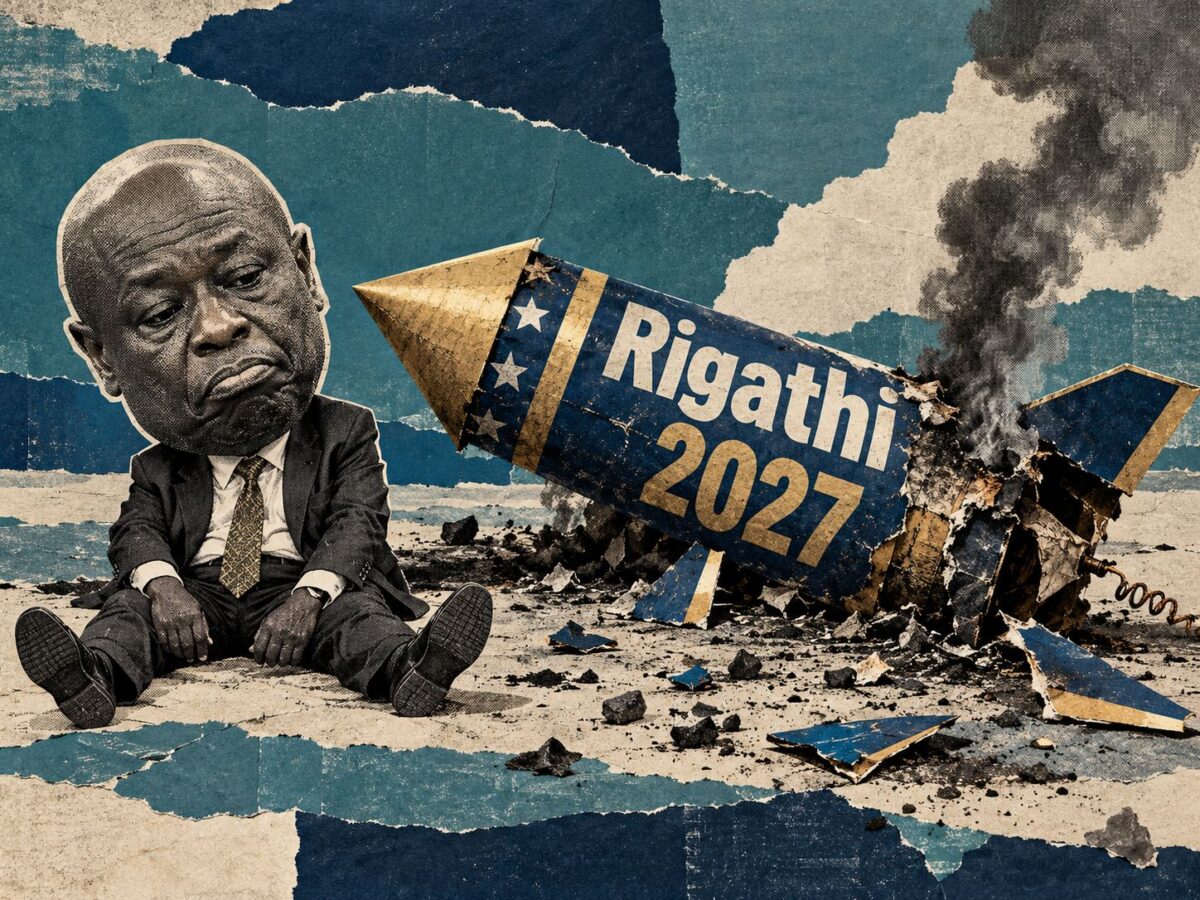
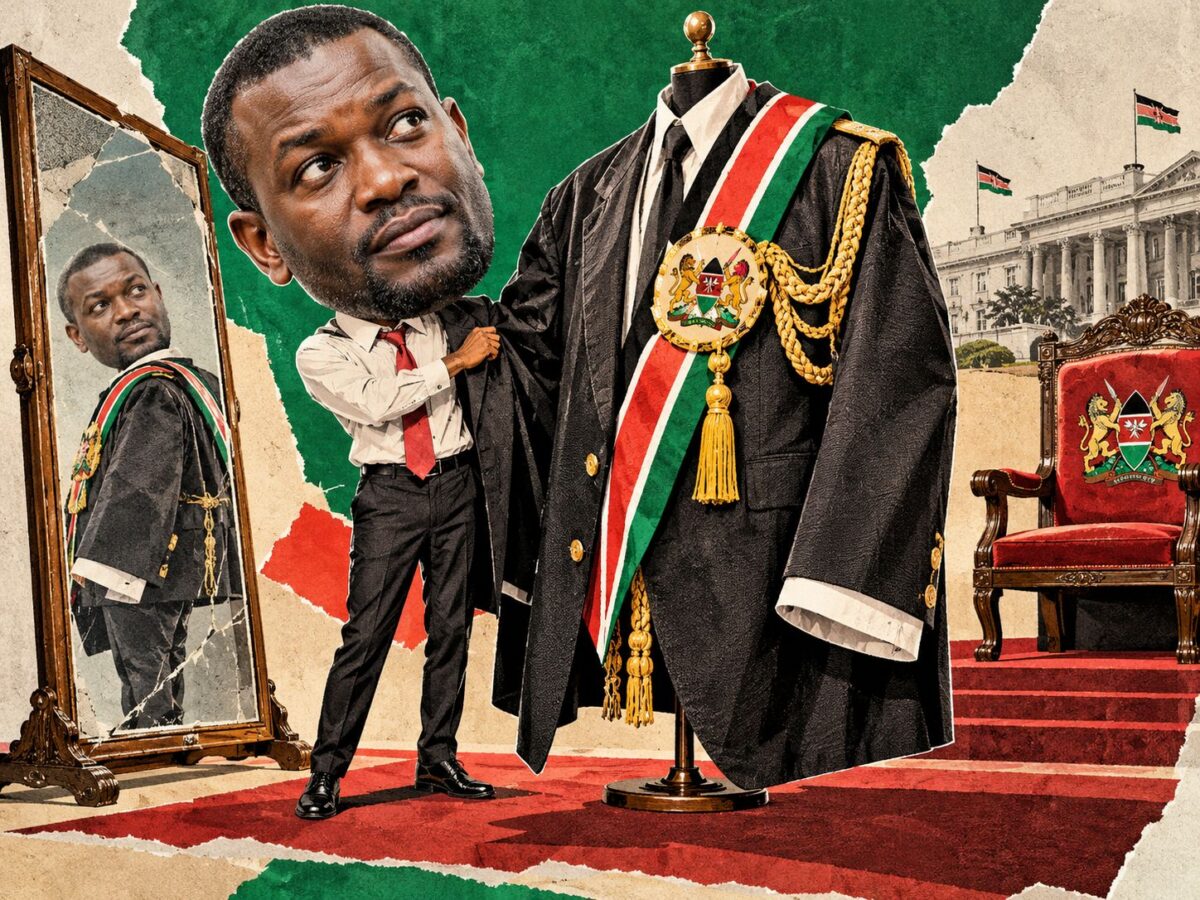
What does this tell William Ruto? It tells him everything, if he is willing to read it honestly. Ruto is currently living inside his own version of the Incumbent Delusion. He speaks of economic transformation, produces statistics, and points to infrastructure. He believes — I am told with genuine conviction — that delivery will be rewarded at the ballot and that 2027 will be a referendum on his record. It will not. It will be a referendum on how Kenyans feel. And right now, Kenyans feel like they are being taxed into poverty by a man who promised them a bottom-up economy and delivered a top-down extraction machine.
The Gen Z uprising of 2024 was Kenya’s orange moment- the referendum result that should have registered as an existential warning inside State House. Instead, the response has been familiar: security crackdowns, co-optation of critics, and a retreat into the comfort of positive economic projections.
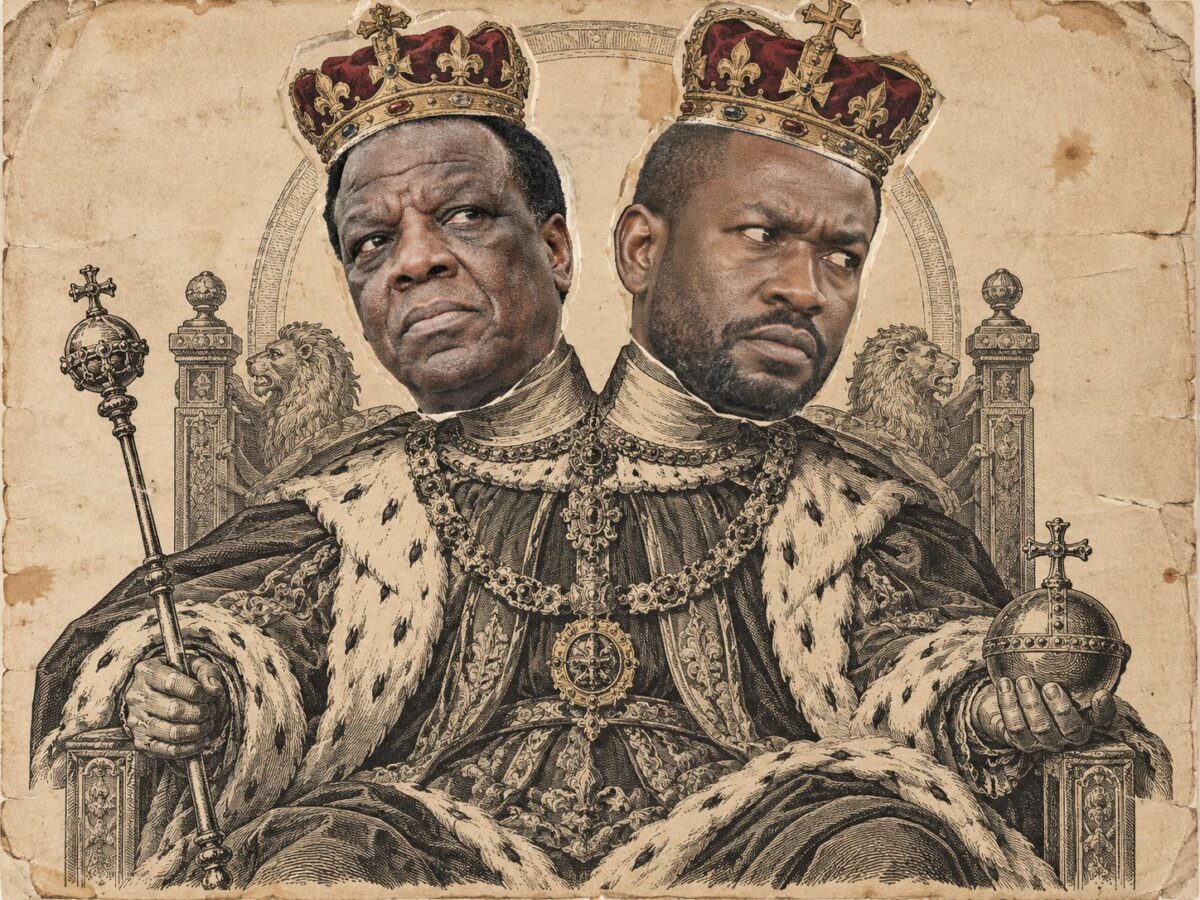
Kibaki’s ghost is in that room, and it is not there as an inspiration. It is there as a cautionary exhibit.
The final lesson of the Kibaki first term is this: a stolen election does not save you. It merely delays your reckoning and multiplies its cost. Kibaki survived 2007 only through the Grand Coalition — a political humiliation dressed as a peace agreement — and spent the remainder of his time in office as a diminished man, his legacy permanently stained by those hours at KICC. Ruto still has time to avoid that destination. But time, in politics, is not a renewable resource. The question is whether he has the political intelligence to read the room before the room reads him. History in Kenya does not repeat itself. But it rhymes, and it does so with a frequency that should terrify anyone paying attention.

No comments
Sorry, the comment form is closed at this time.