

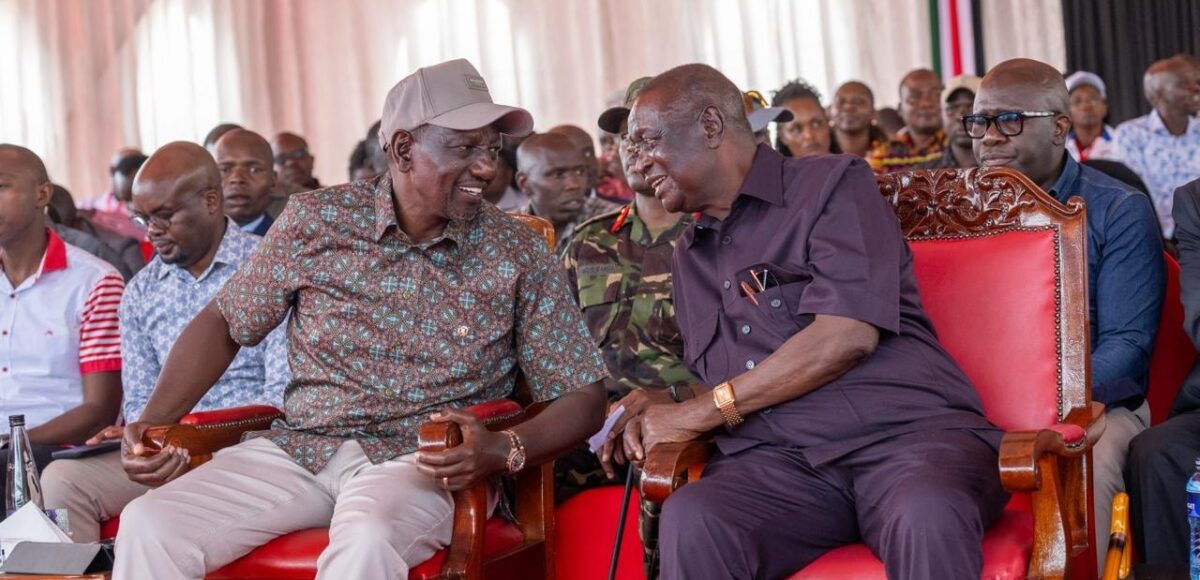
Ruto turned Kenya’s largest opposition party into a coalition partner without an election, a merger, or a single fulfilled promise. When the MOU expires on 7 March 2026, ODM’s journey from opposition to Ruto’s coalition partner becomes official.
By Peninah Wangeci
Political Strategist and Commentator
Stop asking whether ODM will leave Ruto’s government on 7 March. That question assumes ODM still has a government to leave. It does not.
Sifuna has alleged that Ruto personally recruited Mbadi, Joho, Wandayi and Oparanya into the Cabinet, bypassing ODM’s party structures entirely and defying the late Raila Odinga’s own preferences. If that allegation is accurate, and nobody in the Oburu camp has credibly denied it, then the broad-based government was never a partnership between two parties. It was a talent acquisition. Ruto did not absorb ODM. He absorbed ODM’s most useful individuals, gave them personal incentives, and left the party’s institutional shell behind as political cover.
That is not a coalition. That is a controlled demolition dressed in handshake language.
The MOU Was the Vehicle, Not the Destination
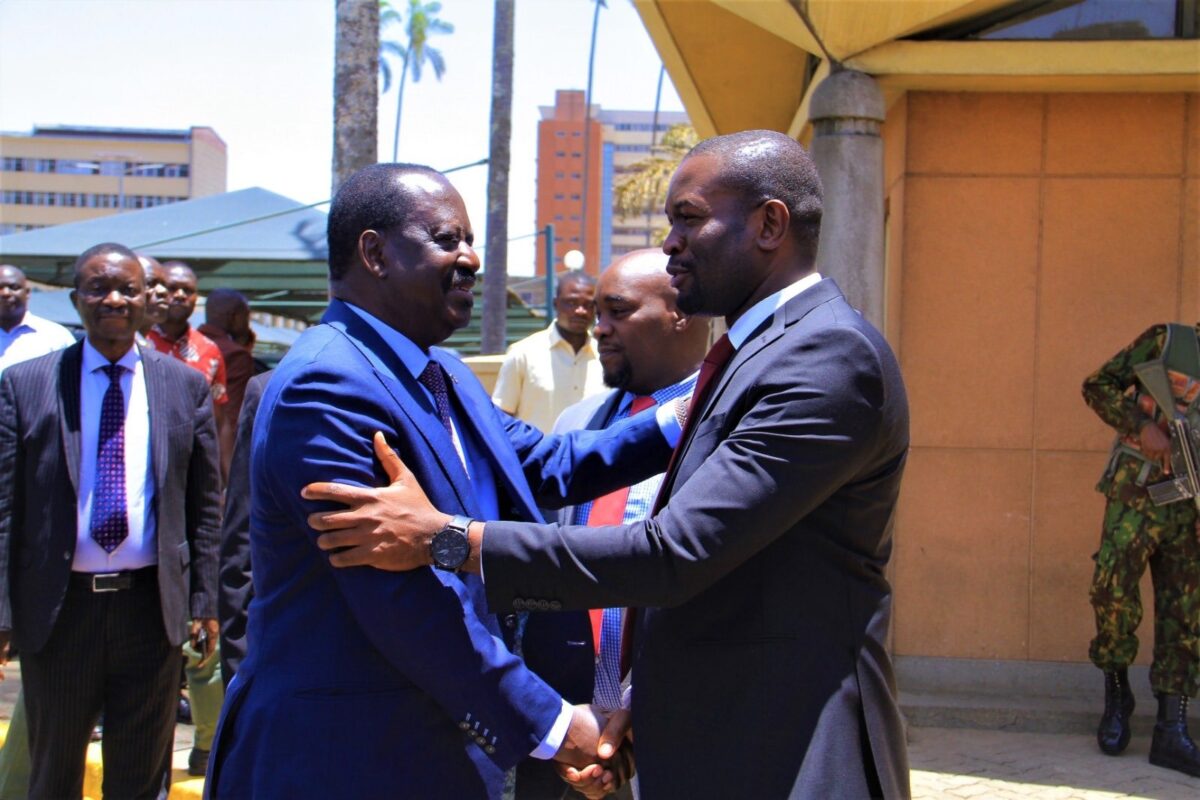
The 10-point agreement signed at KICC on 7 March 2025 committed both parties to implementing the NADCO report, addressing youth unemployment, promoting inclusivity, and strengthening devolution. One year later, not a single protest victim has been compensated, and some demonstrators still face terrorism charges for exercising constitutional rights. The NADCO report that was meant to restructure the IEBC and create the office of the Prime Minister sits largely unimplemented.
Governance expert Prof Gitile Naituli’s verdict was blunt: the 10-point agenda “has achieved nothing because it wasn’t intended to achieve anything.”
That is the correct reading. The MOU was never about the 10 points. It was about removing the most dangerous opposition leader in Kenya from the battlefield while Ruto consolidated. It worked with surgical precision. Raila spent his final year defending a partnership most of his own lieutenants opposed, died in India in October 2025, and left behind a party at war with itself. Ruto never had to win an argument with ODM. He just had to keep Raila busy long enough.
Oburu’s Announcement Removes All Doubt
If there was any remaining ambiguity about what ODM’s leadership intends, Oburu eliminated it on 1 March 2026, publicly declaring that ODM was ready to enter negotiations with other political formations, starting with UDA, its current broad-based partner. Not after a review. Not contingent on implementation of the MOU. Before the deadline had even passed.
This is Handshake 2.0 without the pretence of opposition. Oburu himself has admitted, with revealing candour, that ODM entered this government “through the window” because the party never voted for Ruto. He said this not as a criticism. He said it as context for why ODM should now formalise what it entered through the back door. The logic is that proximity to power justifies proximity to power. It is the oldest argument in Kenyan politics, and it is the argument of a party that has stopped believing it can win on its own.
And the Azimio exit confirms it. The NEC has formally resolved to initiate ODM’s withdrawal from the Azimio la Umoja coalition, citing breaches of the founding deed by certain partners. ODM is not renegotiating Azimio. It is tearing down its own opposition infrastructure to clear the path towards Ruto. Ruto said it plainly: “Azimio without ODM is dead.” He was describing a result he engineered.
The Sifuna Faction Is Right About the Diagnosis, Wrong About the Cure
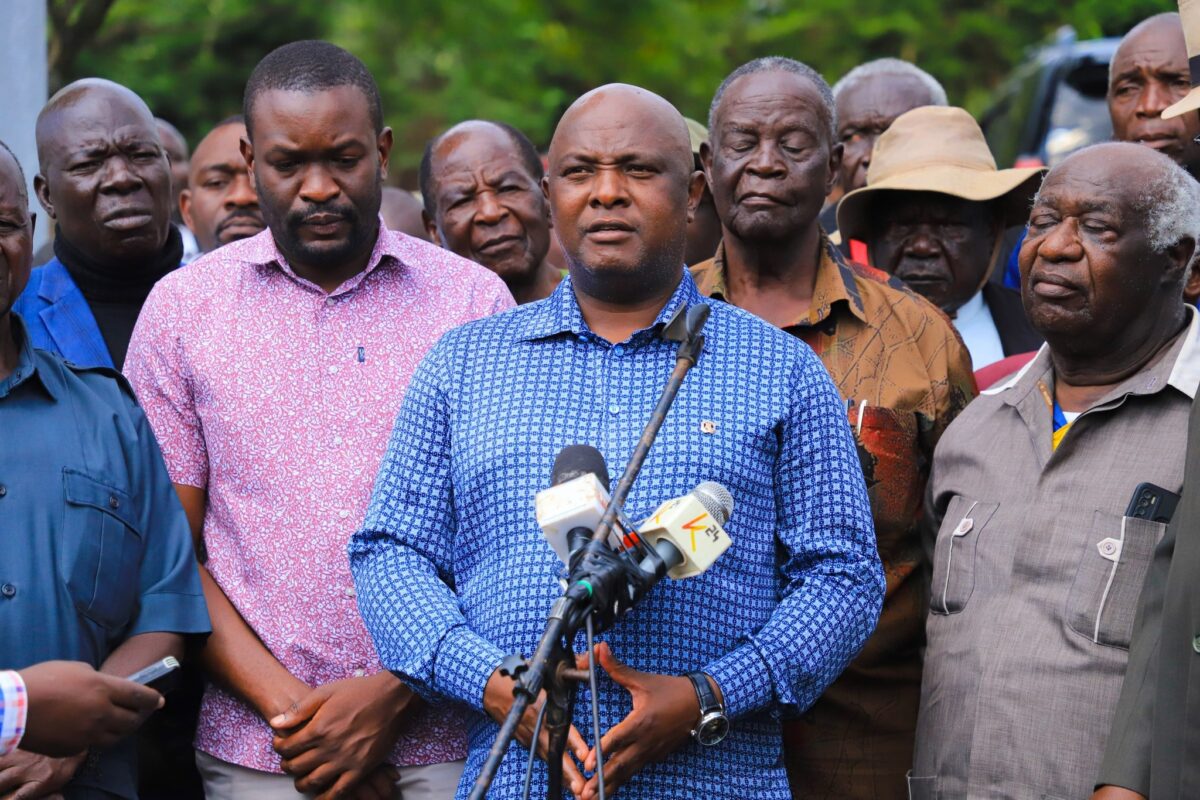
Sifuna has framed his position in the language of fidelity to Raila: “The only Bible Raila left us is the 10-point agenda, and the President has not honoured it to date.” It is a powerful line. It is also a political weapon, not a constitutional argument.
Sifuna is correct that the MOU has not been implemented. He is correct that Ruto has benefited enormously from ODM’s cooperation while delivering almost nothing in return. Where he is less candid is about what Linda Mwananchi actually is. The movement is evolving into a potential third force in the 2027 race, drawing large crowds across Kitengela, Kakamega and Busia, with members of his own faction openly floating Sifuna’s name as a presidential candidate.
That is a legitimate political project. But it should be stated as one. The MOU expiry is a convenient trigger, not a principled cause. Sifuna is not fighting to honour Raila. He is fighting to inherit Raila’s voters. The distinction matters because it tells you exactly what he will trade and what he will not.
Watch March 27, Not March 7
The MOU deadline is not the most consequential date in this story. That is 27 March. The ODM National Delegates Convention is shaping up as a defining test of power between the Oburu and Sifuna factions, with both camps racing to control the proceedings. The NDC is the forum at which ODM will ratify coalition negotiations with UDA, confirm leadership changes, and set the party’s 2027 electoral strategy. If the Oburu camp controls that convention, the absorption of ODM into Ruto’s political project becomes institutionally irreversible before the year is out. The funeral is on 7 March. The NDC on 27 March is where the estate gets divided.
What This Means for 2027
Ruto goes into 2027 with ODM’s heaviest hitters in his Cabinet, the party’s official leadership negotiating a coalition with him, its opposition infrastructure being dismantled, and the only credible internal resistance legally fighting for its own survival in the courts. The Political Parties Disputes Tribunal extended Sifuna’s protection order to 12 March, offering him a temporary reprieve but no institutional base from which to fight.
The MOU deadline changes none of this. The document served its purpose. The debate about its expiry is the sound of a party arguing over who gets to sign the death certificate of an arrangement that was already over the moment Raila died.
The funeral is on 7 March. The burial happened in October.

No comments
Sorry, the comment form is closed at this time.